
How Learning Works at Rajarshi Gurukul
The academic programme at Rajarshi Gurukul integrates the Nepal Curriculum Development Centre (CDC) framework with internationally informed learning approaches such as the International Primary Curriculum (IPC). This combination allows students to engage with both nationally relevant knowledge and broader global perspectives.
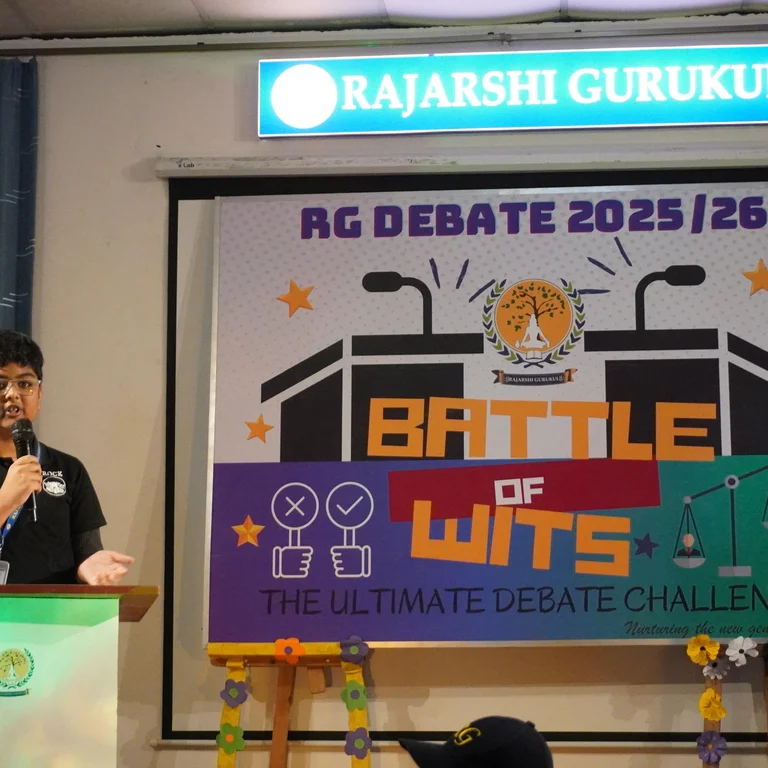
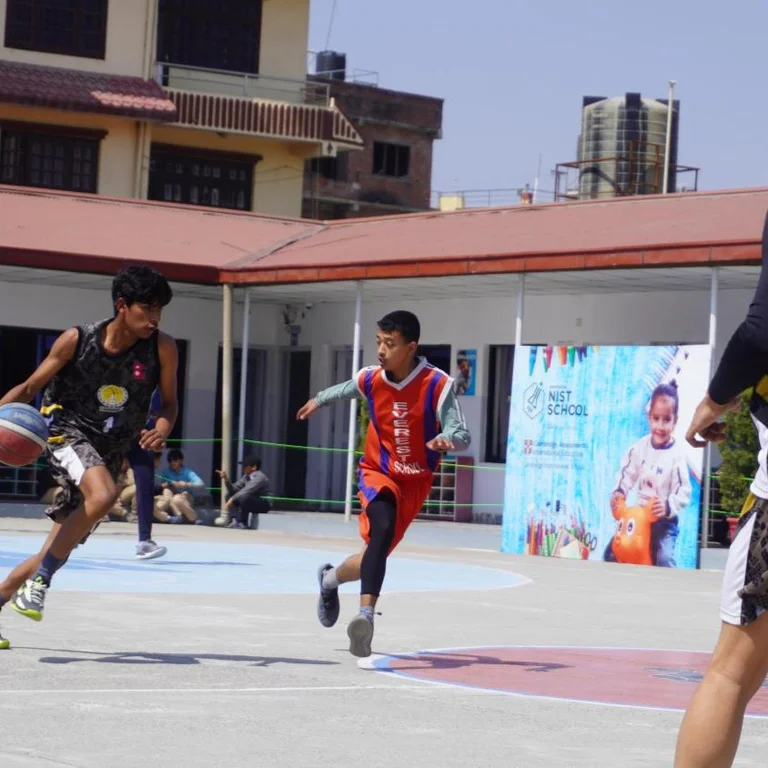
Teaching at Rajarshi Gurukul emphasises active learning. Students are encouraged to question ideas, analyse information, and articulate their own perspectives. Classroom experiences move beyond memorisation toward reasoning, dialogue, and applied understanding.
Teachers guide students through structured academic challenges while providing consistent support and feedback. Learning therefore becomes a process of exploration and refinement rather than simple information delivery.
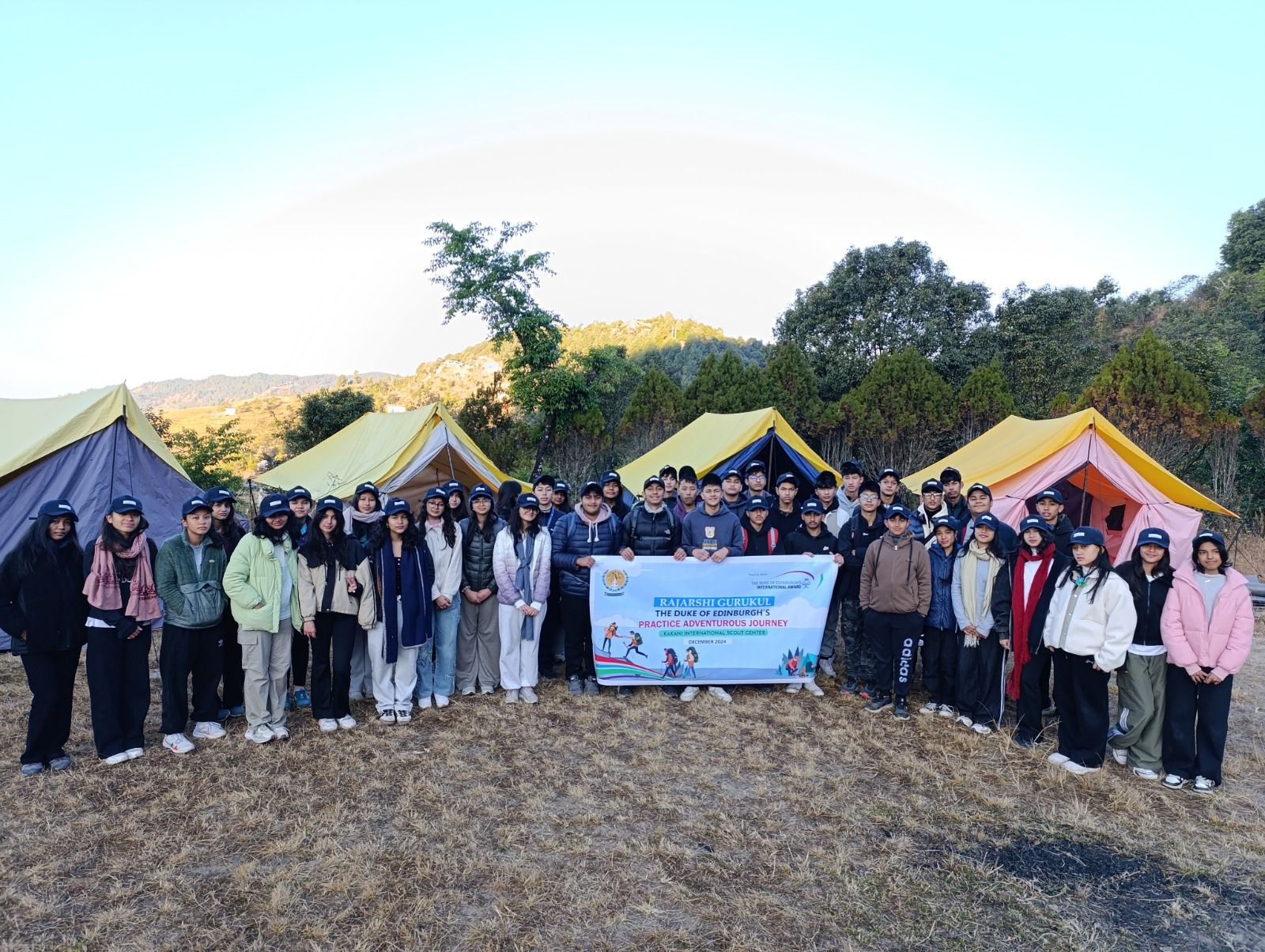
Through this approach, students gradually develop the intellectual and personal competencies required to navigate a rapidly evolving world. These competencies are not taught separately — they are embedded across academic subjects, co-curricular activities, and project-based learning experiences. They include:
- Critical thinking and analytical reasoning
- Clear and confident communication
- Collaboration and teamwork
- Adaptability in unfamiliar situations
- Ethical awareness and responsible decision-making
- Digital literacy and technological fluency
From Guided Exploration to Independent Thinking
Academic progression at Rajarshi Gurukul is organised into stages that reflect both developmental readiness and increasing intellectual responsibility. As students move through the school, they gradually transition from guided exploration to independent thinking and deeper academic engagement.
Moments from the RG Classroom & Campus
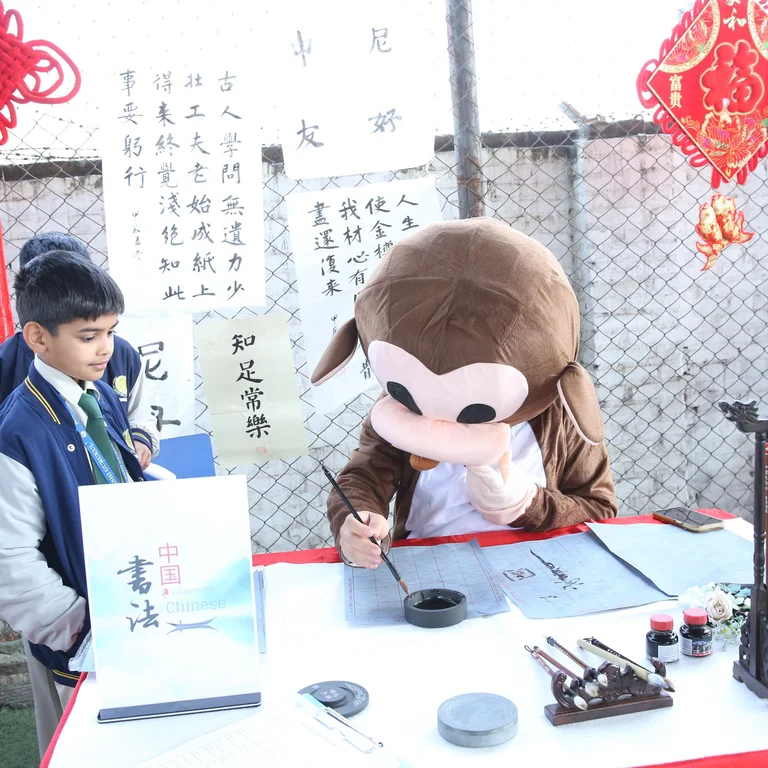
Mandarin & Language Learning
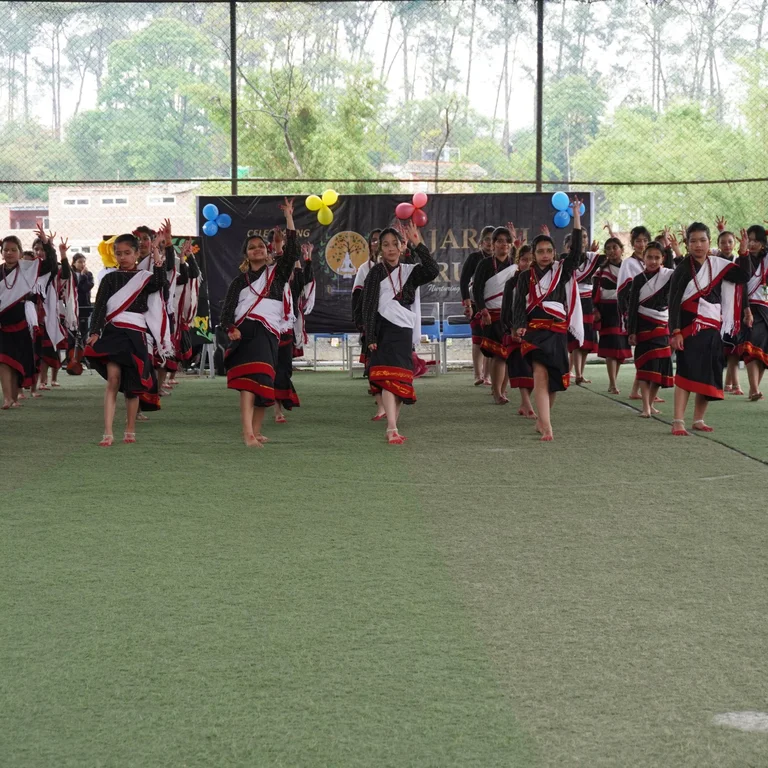
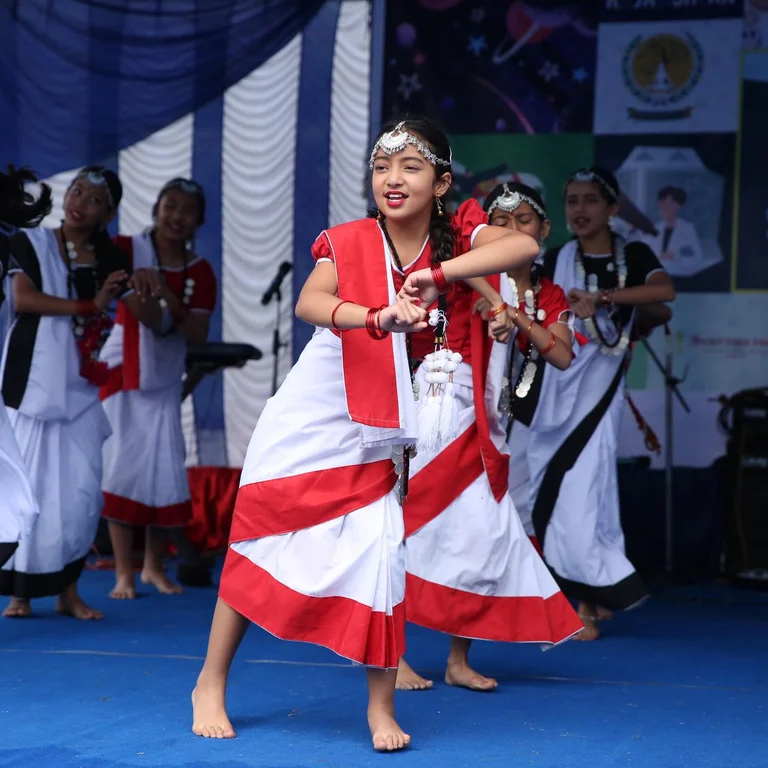
Arts & Cultural Performance
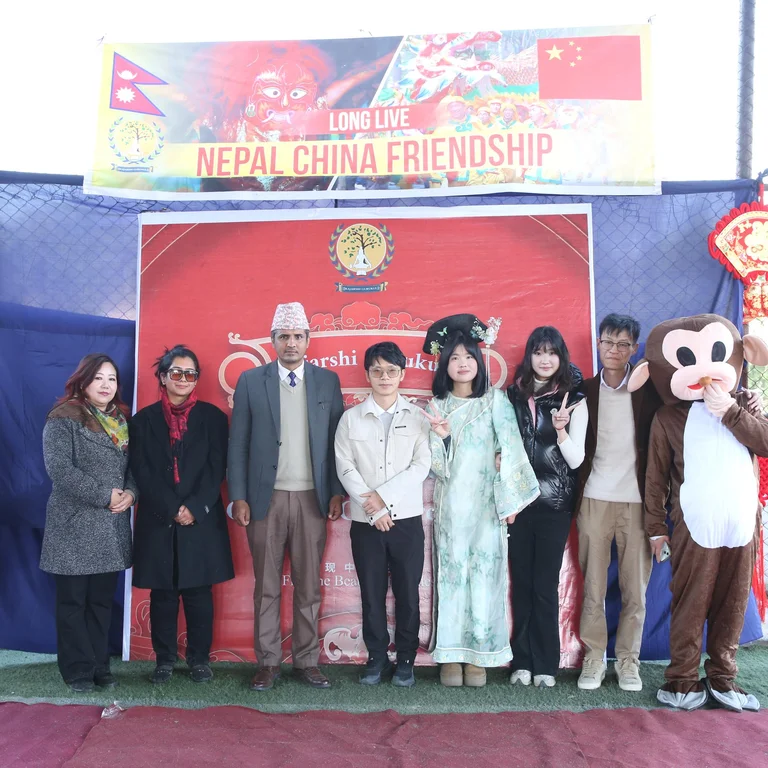
Global Exchange Programmes
Curriculum Overview
The Rajarshi Gurukul curriculum is guided by the Nepal Curriculum Development Centre (CDC) and follows a 12-year educational structure consisting of:
- Basic Education: Grades 1–8
- Secondary Education: Grades 9–12
The CDC framework emphasises competency-based learning that combines academic knowledge with practical application, incorporating local subjects, life skills, and vocational exposure while maintaining clear academic benchmarks. Recent educational reforms have introduced integrated curricula in early grades (1–3) and encouraged greater flexibility for local-level curriculum adaptation.
Core academic subjects — Nepali, English, Mathematics, and Science — form the foundation of the programme, ensuring students develop a balanced and comprehensive understanding of essential disciplines.
Subject Offerings
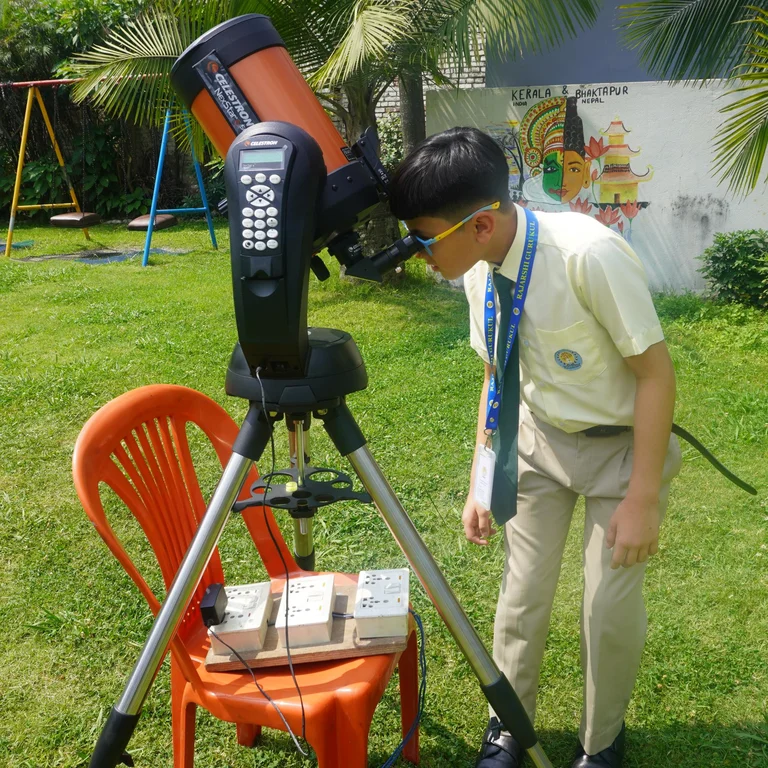
Alongside core academic subjects, students are introduced to emerging fields that reflect contemporary developments in science and technology, including artificial intelligence, coding, renewable energy studies, and environmental awareness — ensuring engagement with both foundational knowledge and the domains shaping the future of learning and work.
Assessment & Progress
Assessment at RG is viewed as an essential part of the learning process rather than simply a method of measuring performance. Students receive structured feedback that helps them understand their strengths, refine their thinking, and identify areas for improvement.
Teachers use multiple assessment methods — written evaluations, projects, presentations, and continuous observation — to gain a comprehensive understanding of student progress, so learning pathways remain responsive to individual needs while maintaining clear academic expectations.
A Shared Commitment Between School and Family
Education at Rajarshi Gurukul is most effective when learning extends beyond the classroom and becomes a shared commitment between the school and families. Parents play an important role in shaping the learning journey of every child, and the school actively encourages meaningful engagement between educators and families.
Regular communication ensures that parents remain informed about academic progress, learning goals, and developmental milestones. Parent-teacher conferences, academic briefings, and open dialogue provide opportunities for constructive discussion about each student’s growth and learning experience.
Beyond academic updates, Rajarshi Gurukul also seeks to involve parents in broader aspects of school life through workshops, community discussions, and engagement programmes that build understanding of the school’s educational philosophy and teaching approaches.
Through this partnership, Rajarshi Gurukul strengthens the connection between school and community, ensuring that students grow within a network of support, encouragement, and shared responsibility. Learn more on our Parents & Community page.